
Is Climate Controlled Storage Worth the Extra Cost?
Is Climate Controlled Storage Worth the Extra Cost?
—
November 24th, 2026
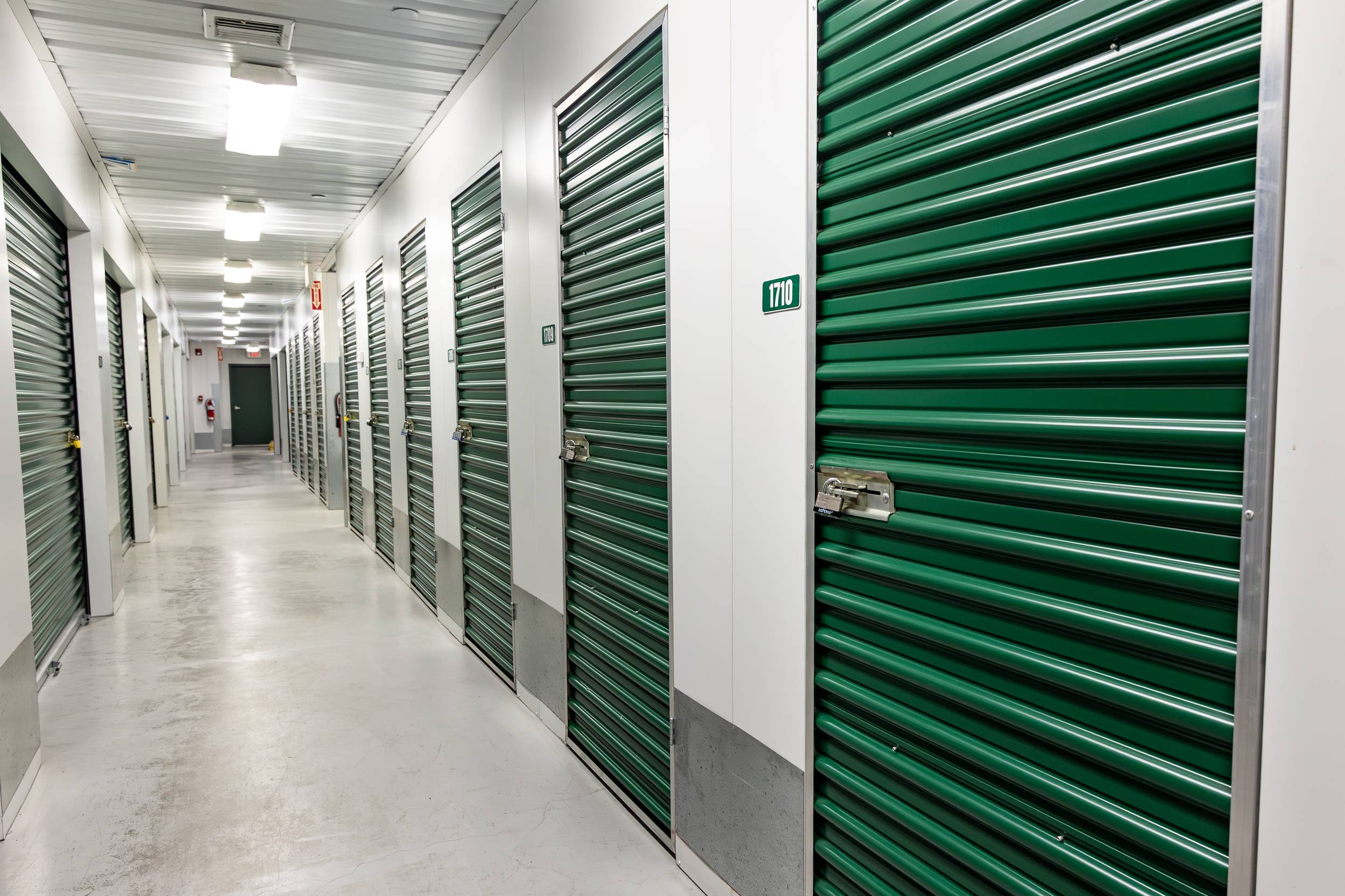
If you live in Bedford Hills or Katonah, you already know what the calendar does to a garage. July turns it into a sauna, January turns it into a freezer, and the shoulder seasons swing between the two. So when you see that storage with climate control costs more than a standard space, the real question isn't whether it's nicer. It's whether the things you plan to store can survive a full Westchester year without it.
The short answer: a climate-controlled storage unit pays for itself when the items inside are worth more than the premium and are made of materials that react to heat, cold, or moisture. For everything else, a standard unit is the smarter spend. Here's how to tell the difference.
What Storage with Climate Control Actually Costs
Across the industry, storage with climate control typically runs about 17 to 30 percent more than a comparable standard unit. On a unit costing $150 a month, that's an extra $25 to $45, or roughly $300 to $540 a year.
That number is your decision line. If replacing or repairing what you store would cost more than a year or two of that premium, storage with climate control is insurance you'll be glad you bought. If the contents are cheap to replace or naturally tough, skip the upgrade and keep the money. Pricing varies by size and season, so compare current rates for climate-controlled units against standard ones before you commit.
How Humid Summers and Freezing Winters Damage Stored Belongings
Northern Westchester sits in a humid continental climate, and both ends of the year cause trouble. July brings the most muggy days in Bedford Hills, while January brings an average low of 22°F. Without temperature and humidity control, that moisture has nowhere to go. Mold tends to grow when relative humidity tops 60 percent and temperatures climb above 75 to 80°F, which describes a typical August afternoon in a sealed metal box.
Winter brings the opposite problem. The average first fall frost in Bedford Hills arrives around October 12, and from then until April the freeze-thaw cycle takes over. Wood shrinks in the cold and swells on mild days, and when a cold item warms up, condensation forms on and inside it. Storage with climate control removes both extremes by keeping conditions steady, which is why it matters more here than in milder parts of the country.
Belongings That Justify Storage with Climate Control
Wood furniture tops the list. Most furniture care guidance targets 40 to 60 percent relative humidity; outside that band, tabletops cup, veneers lift, and joints loosen. Antiques and solid hardwood pieces belong in a climate-controlled unit without question. Electronics are next, because condensation can corrode circuit boards when a cold television or laptop meets warmer air. If it plugs in and you plan to use it again, choose storage with climate control.
Paper and photographs are especially vulnerable, so family albums, tax records, and business files should go indoors with steady conditions. Musical instruments are just as sensitive: guitar makers recommend 45 to 55 percent relative humidity, and pianos need a stable environment too. Leather sofas, upholstered pieces, mattresses, vinyl records, artwork, and seasonal clothing can all develop mildew, odors, or warping, which makes a climate-controlled unit the safer call for each of them. Anything sentimental and irreplaceable also earns storage with climate control, because no premium compares to losing it.
Wine is its own category. Collectors generally agree on a steady 55°F with moderate humidity, and a general climate-controlled unit isn't typically designed to hold that cellar temperature. A dedicated wine room is the better fit for a serious collection.
What Can Skip Storage with Climate Control
Plenty of belongings do fine without it. Metal tools, lawn equipment, patio furniture built for the outdoors, bikes, kayaks, and holiday decorations in sealed plastic bins handle Westchester weather well. Kitchenware, ceramics, and hard plastics rarely need a climate-controlled unit either. If a short summer move is all you need and the contents are sturdy, paying for storage with climate control is optional. Splitting a load between a small climate-controlled unit and a standard one is often the most economical choice.
What We See in Westchester
Katonah Self Storage sits on Railroad Avenue, just off Saw Mill River Parkway Exit 42 at Harris Road, and the seasonal damage people describe around here follows a predictable pattern. Dressers kept in damp basements through August come out with sticking drawers and lifted veneer. Photo boxes left in garages turn musty. After the first hard freeze, electronics and wine stored somewhere unheated become the worry. Our storage with climate control keeps furniture, files, and electronics in a steady indoor environment on a gated, camera-monitored property. Wine goes into a separate wine room held at 55°F, with private lockers kept apart from the general climate-controlled units.
Making the Call on Storage with Climate Control
Is storage with climate control worth the extra cost? For wood, paper, electronics, instruments, leather, art, and wine in a place with muggy Julys and freezing Januarys, yes. For tools, bins, and outdoor gear, no. Make a quick inventory, estimate what replacement would cost, and compare it with a year of the premium. If most of the value sits in sensitive items, storage with climate control is the practical choice, and our Bedford Hills team can help you size a unit before the seasons turn.
Categories